

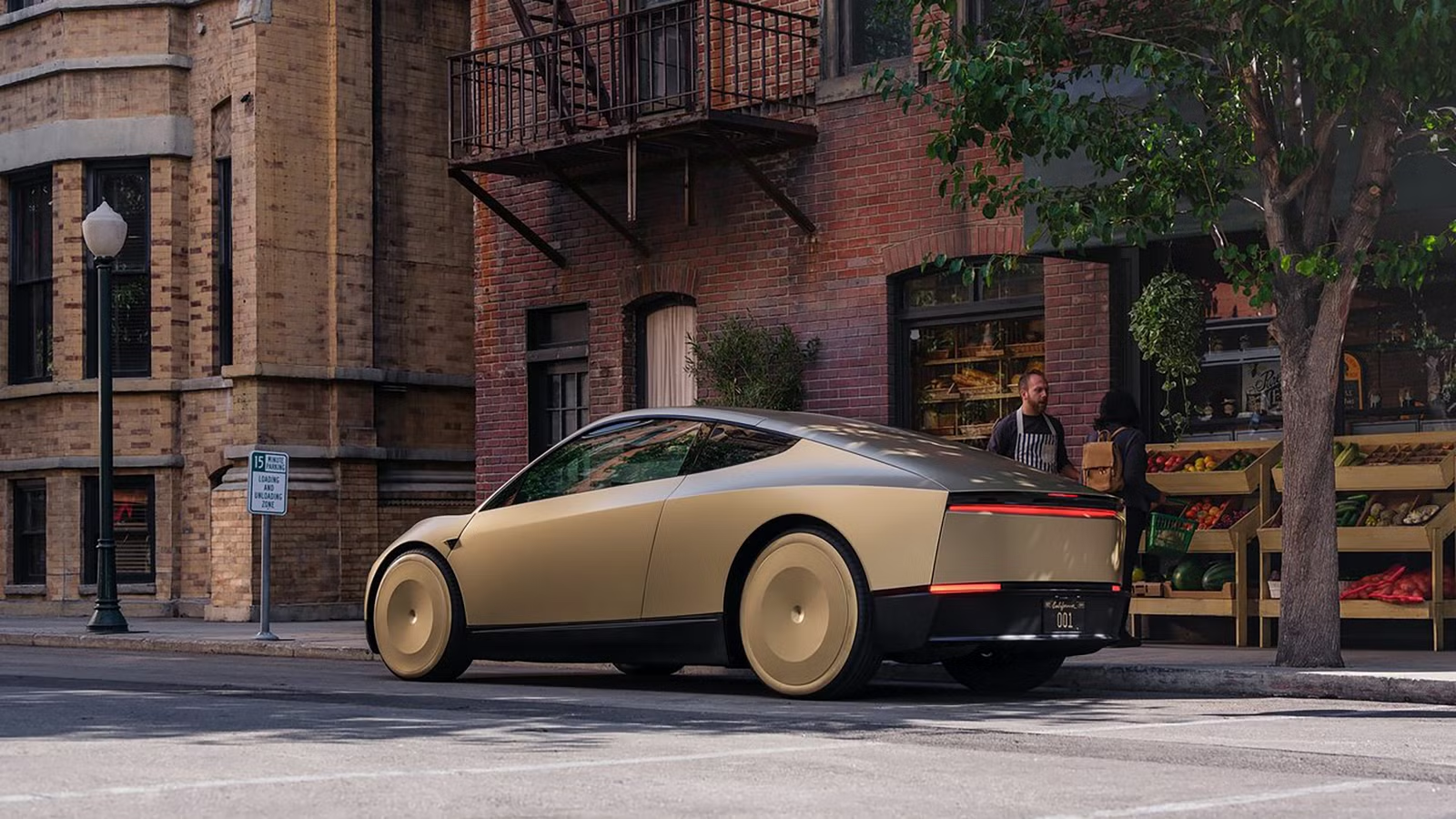
Tesla is getting ready for the full-scale launch of its Cybercab robotaxi, having already initiated a limited rollout in Austin, Texas a little while back. This caught the NHTSA’s attention, though, prompting regulators to open an investigation into how these vehicles were certified with no steering wheel or pedals. And, to our knowledge, said legal matter has not yet been resolved.
The automaker is required to provide explanations regarding its certification process under oath, but we’ve not heard of any further developments since the investigation was announced. Despite the scrutiny from the feds, Tesla is determined to start selling its self-driving Cybercab to customers by the end of the year.
Tesla Remains Firmly Undeterred By Legal Pressure
The Tesla Cybercab has only two doors.Tesla
A Reuters report dives into claims made by Tesla’s vice president of vehicle engineering Lars Moravy. He spoke to analysts after the company’s third-quarter sales report was announced, underlining its commitment to making driverless cabs widely available soon. “As Tesla grows, we’ll mainly deliver fully designed autonomous vehicles to our customers and Cybercabs will be the first,” said Moravy.
“We’re trying to get Cybercabs to customers by the end of this year, 2026.” As optimistic as that may sound, Tesla is known to be late with just about everything, so it remains to be seen whether Moravy’s timeline will actually materialize. But, based on his statements, the company seems confident in its ability to successfully navigate that whole NHTSA conundrum and push through with its robotaxi service.
What Comes Next For The Cybercab?
In the unlikely case of a mechanical issue, the Tesla Cybercab will let you know what steps it is taking to get itself sorted, and ‘the system’ will also summon you a new cab.Tesla
Tesla’s head of AI Ashok Elluswamy says the Cybercab should roll out in Dallas next month, while also acknowledging the need to overcome regulatory constraints. “I think the key thing which we are trying to make sure is that we have all the regulatory approvals where we can start deploying the Cybercabs as fast as we can produce them.” He added that scaling production will not be an issue once legislators are satisfied.
Now, the NHTSA did propose legislative changes to accommodate fully autonomous vehicles without driver controls, but these have not yet been adopted. As it stands, the Cybercab needs to comply with existing regulations, and it’s not exactly clear how Tesla will get around these. That being said, though, we may find out pretty soon.
CarBuzz Insight – Why This Matters:
Tesla is running out of time to explain itself, as the October 30 deadline imposed by the NHTSA is just around the corner. That means we’ll likely hear more about this within the next few days, which will also tell us if Lars Moravy’s claims are realistic or just based on hopeless optimism. Should Tesla fail to convince the feds, it would really throw a wrench in the works for its Cybercab ambitions.
There would almost certainly be no such thing as customer deliveries by the end of 2026 in that scenario, and the company could face up to $139 million in civil penalties. We’ll keep an eye out for more information in the coming days, as that should clarify how the matter will unfold from here.
Source: Reuters
