

Automotive
Just when it seemed like the American electric vehicle market was headed for a prolonged downturn, new sales figures suggest EVs might be finding their footing again. After a difficult period following the expiration of federal EV tax credits in September 2025, electric vehicle sales in the United States have now increased for three consecutive quarters. According to the latest report from Cox Automotive and Kelley Blue Book, Americans purchased an estimated 262,649 electric vehicles during the third quarter of 2026, representing a 6.1% increase over the previous quarter. EVs accounted for approximately 6.4% of all new vehicle sales, their strongest market share since the third quarter of 2025. While those numbers aren’t exactly setting records, they offer some encouraging news for an industry that has spent much of the past year dealing with uncertainty, shifting consumer demand, and automakers reconsidering their electrification strategies.
The rebound is particularly interesting considering how dramatically the market changed after the federal government’s $7,500 EV tax credit disappeared. Many buyers rushed to purchase electric vehicles before the incentive expired, creating an unusually strong third quarter in 2025 followed by a sharp decline in demand. In fact, EV sales during the third quarter of 2026 were still down 39.5% compared with the same period last year. However, that comparison doesn’t necessarily tell the whole story. What’s becoming increasingly clear is that consumers are gradually returning to electric vehicles as manufacturers introduce more competitive pricing, improved technology, and better-equipped models. Higher gasoline prices are also playing a role, giving buyers another reason to consider leaving traditional internal combustion engines behind.
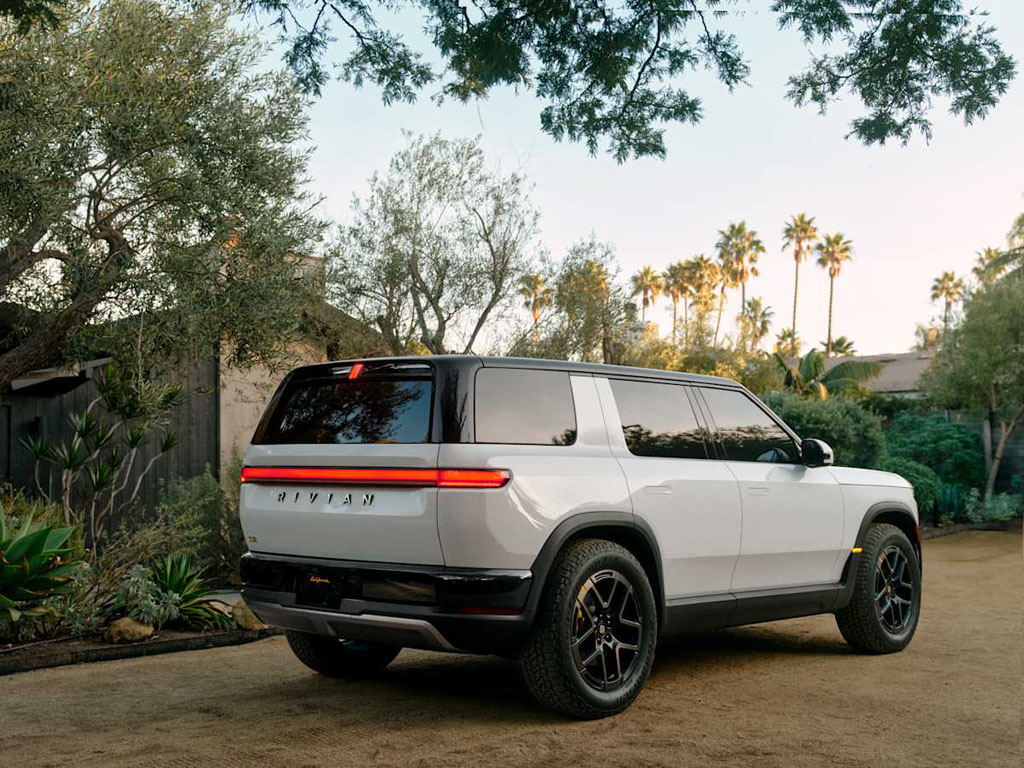
Among the automakers benefiting most from this renewed interest are Toyota, Rivian, and Subaru. Toyota and its luxury Lexus division have experienced substantial growth in EV sales, helped by improvements to models such as the Toyota bZ and Lexus RZ. Updated battery technology, improved driving range, faster charging capability, and the adoption of Tesla’s North American Charging Standard have made these vehicles considerably more attractive than their earlier versions. Rivian, meanwhile, recorded an impressive 46% increase in sales compared with the previous year, while Subaru enjoyed a 31% gain as its electric vehicle lineup continued to expand. These results suggest that American buyers haven’t necessarily lost interest in EVs. Instead, they’re becoming more selective about which electric vehicles deserve their money, especially when conventional gasoline-powered and hybrid alternatives remain readily available.
Tesla, somewhat surprisingly, isn’t enjoying the same momentum as several of its competitors. Despite continuing to dominate the American EV market, Tesla’s third-quarter sales declined approximately 20% compared with the same period in 2025. Even with that drop, the company still accounted for more than half of all electric vehicles sold in the United States, demonstrating just how significant its position remains. The Model Y and Model 3 continue to carry most of Tesla’s sales volume, although growing competition from established automakers and newer EV manufacturers is making the marketplace considerably more challenging. Tesla’s situation also illustrates an important distinction in the current market. Electric vehicle sales can begin recovering overall even while the industry’s longtime leader experiences declining demand.
Interestingly, the United States isn’t the first major automotive market to experience this kind of recovery following the removal of government incentives. Germany went through a similar situation after abruptly ending EV purchase subsidies in late 2023. Sales initially plunged, but consumer demand gradually recovered as the market adjusted to life without substantial government assistance. The American EV market could be following a comparable path, although it’s still too early to declare a full comeback. We think the latest numbers reinforce something that has become increasingly apparent in the automotive industry: EV adoption will ultimately depend on affordability, practicality, charging convenience, and vehicles people genuinely want to own. As more manufacturers deliver on those priorities, electric vehicles should continue attracting buyers without relying entirely on federal incentives. The EV market certainly has challenges ahead, but reports of its demise appear to have been a bit premature.
Mike Floyd is a finance executive by trade and a car enthusiast at heart. As a CFO with a keen eye for detail and strategy, Mike brings his analytical mindset to the automotive world, uncovering fresh insights and unique perspectives that go beyond the surface. His passion for cars—especially his favorite, the Porsche 911, fuels his contributions to Automotive Addicts, where he blends a love for performance and design with his professional precision. Whether he’s breaking down industry trends or spotlighting emerging innovations, Mike helps keep the site both sharp and forward-thinking.
