

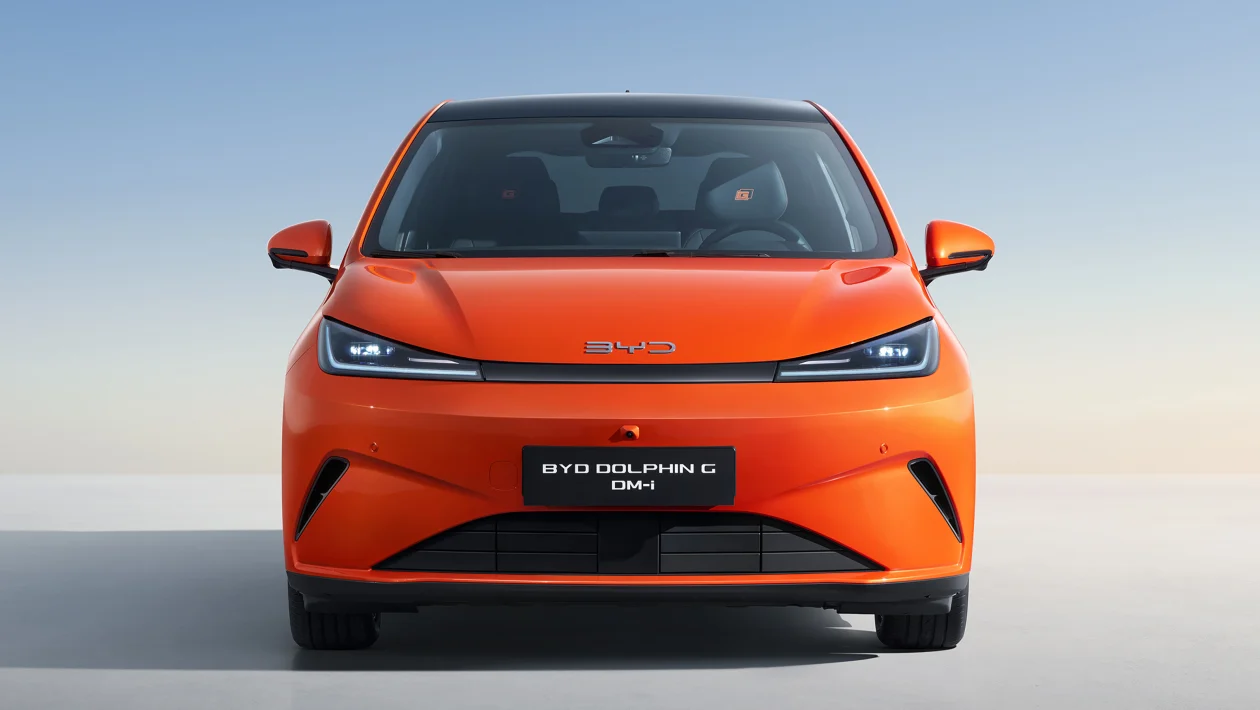
So why all the effort? BYD’s special adviser for the European market, Alfredo Altavilla, told Auto Express “There’s no doubt that Chinese and European customer needs are differentiating even more. For example, it is now hard to find any Chinese car that’s shorter than 4.8 metres. Also, the typical highway speed limit in China is 90km/h, while Europe has the Autobahn.”
While the Autobahn situation is exclusive to Germany, 90km/h is roughly 55mph, so China’s roads tend to move at a much slower pace than virtually all of Europe’s motorways. “At 90km/h any car is good ” claims Altavilla, “But we need to make cars that are good for the autobahn, cars that are good for the whole of the UK, and cars that are good for the mountain roads in Italy.”
It’s a bit of a double-whammy in terms of the differences between European and Chinese drivers, then. On the one hand, each side has its own preferences in terms of size, space and features, while on the other side, the roads and speeds can differ considerably. By designing bespoke components and chassis set-ups for its dedicated European models, BYD hopes to bring its cars far more in line with the legacy brands. The question now, though, is whether this huge gamble will be a sales success or a financial flop.
Bag yourself a BYD with Auto Express! We have new, used and leasing deals to choose from…
