

Self-driving taxis seem to be the next big thing on the public transportation landscape. However, there are several hurdles for this technology to overcome before widespread implementation, the current regulatory framework being one of them. There is, of course, a certain criteria that all vehicles must meet before being certified, and manufacturers are tasked with filling out the paperwork before the NHTSA reviews it.
Now, the institution doesn’t take kindly to its regulations not being met, and that leads us to Tesla’s Cybercab. A limited roll-out took place earlier this month, with the Cybercab’s first paid public rides taking place in Austin, Texas. But Tesla might be in trouble over its self-certification process, because the NHTSA isn’t exactly convinced about the way it was carried out.
Tesla’s Robotaxi Service Might Be Turning Into A Legal Nightmare
In the unlikely case of a mechanical issue, the Tesla Cybercab will let you know what steps it is taking to get itself sorted, and ‘the system’ will also summon you a new cab.Tesla
You see, Federal Motor Vehicle Safety Standards mandate that every vehicle out there on the road must have a steering wheel, brake pedal, and mirrors. The Cybercab doesn’t have any of these, so regulators are very interested to know how the vehicle was certified without Tesla seeking an exemption from certain rules.
Thus, the NHTSA filed a Special Order demanding clarifications from the automaker, and these will be provided under oath. If Tesla won’t be able to offer a satisfactory explanation, it could face serious legal consequences for its paperwork being false or misleading. By the looks of it, the primary talking point on this matter is the complete lack of a brake pedal and how Tesla passed certification without it.
What Could This Mean For Tesla?
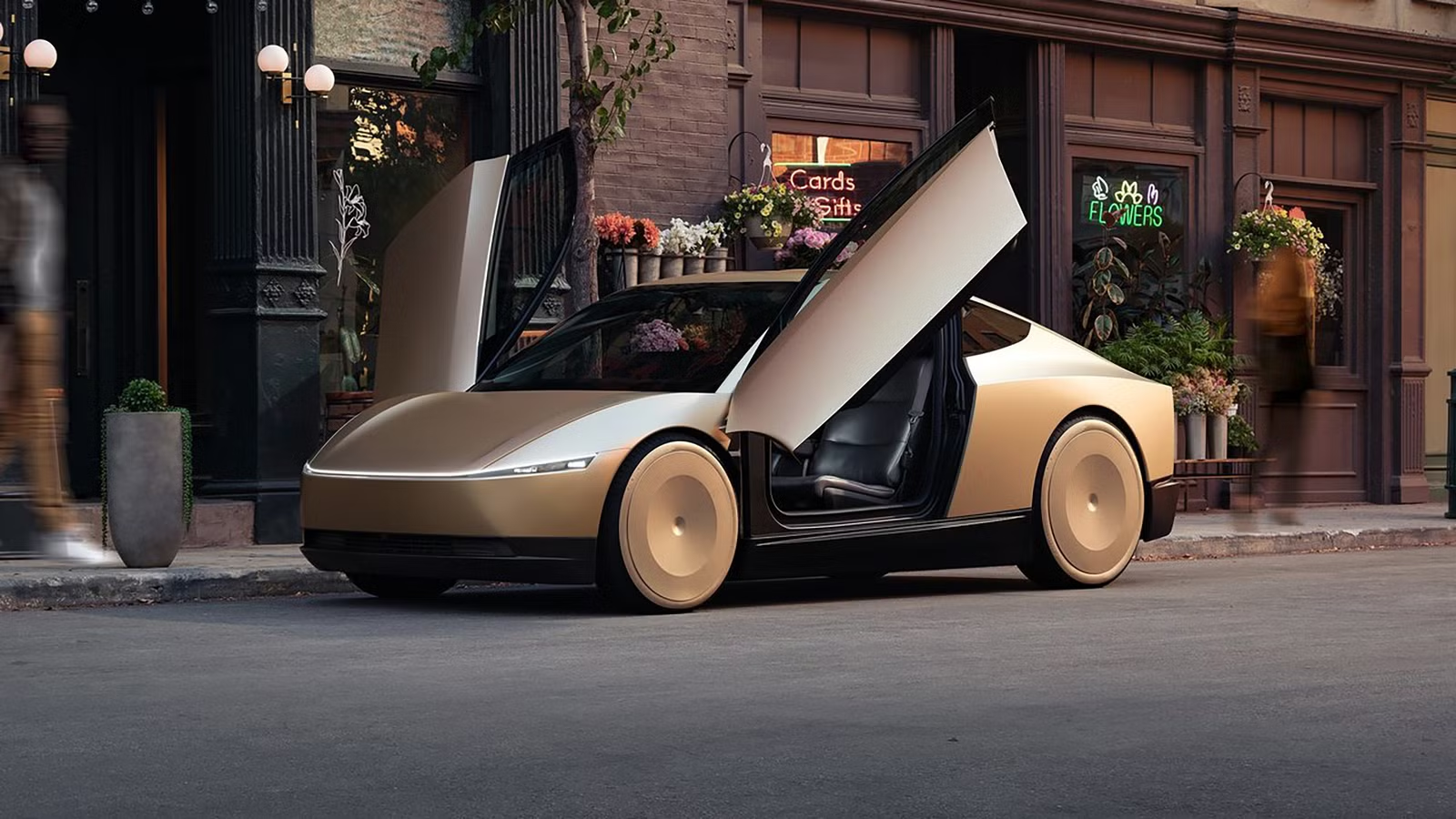
The Tesla Cybercab concept looks like it has just come straight off the set of a science fiction movie. Time will tell how much the production version will differ.Tesla
It’s a tricky issue for the company to navigate, and failing to do so successfully could incur civil penalties of up to $139 million. That, right there, is a costly bill to pay, but Tesla would also have to deal with steep additional expenses related to the project itself. And although there’s no way of telling how much these might amount to in the end, the numbers would most certainly sting.
Proposed legislative updates have indeed been issued by the NHTSA to let autonomous vehicles bypass some of these rules. These are yet to be adopted, though, so the Tesla Cybercab is still expected to abide by the regulatory framework currently in place.
CarBuzz Insight – Why This Matters:
Right now, it’s unclear how the situation will unfold, but we’ll be sure to keep an eye on any further developments as they occur. Because, with the robotaxi industry still very much in its infancy, Tesla’s conundrum will likely have a major impact on how such vehicles are certified in the future, while also signaling an acute need for legislation to change in order to accommodate them.
And besides the legal side of things, there are many other challenges for self-driving cabs to deal with before they can establish a firm foothold on the ride-hailing segment. That applies to autonomous driving as a whole, where Tesla is now the center of attention for the wrong reasons. Let’s see how the company will justify its Cybercab certification process in response to NHTSA’s Special Order.
Source: Reuters
