

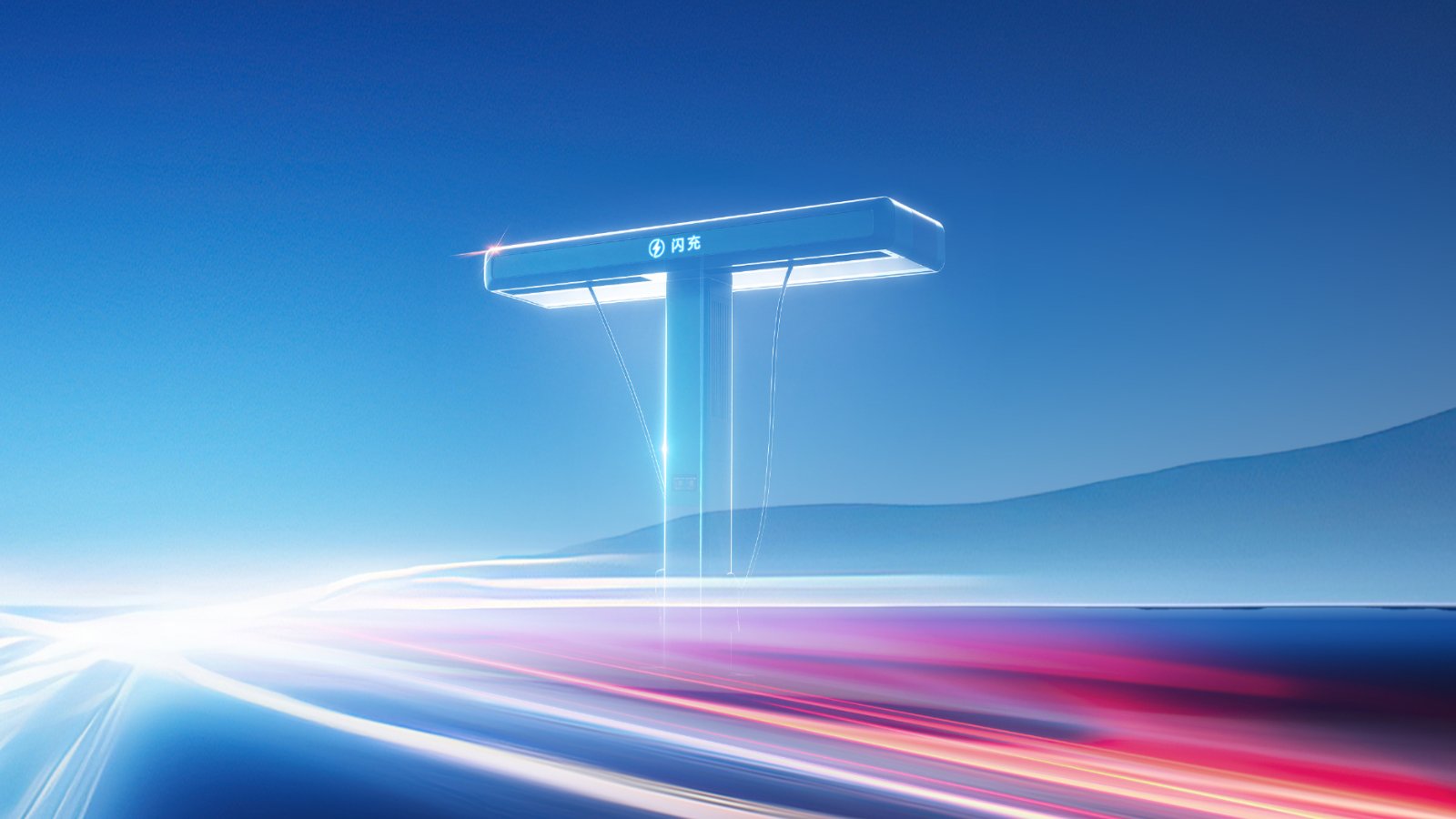
A flash charger featured in a BYD promotional poster. Credit: BYD.
- BYD’s 2,000th highway flash charging station will open on September 24, about 3 months ahead of its original year-end schedule.
- The network covers nearly a third of China’s highway service areas, preparing for the National Day holiday travel rush.
BYD (HKEX: 1211) will open its 2,000th highway flash charging station in China on September 24, marking the completion of a key phase of the highway roll-out under its “Flash Charging China” strategy.
The new energy vehicle (NEV) giant announced the milestone on Weibo on Wednesday. An opening ceremony will be held at the Baoying service area in Yangzhou, Jiangsu province.
Under the original plan unveiled on March 5, BYD aimed to complete 2,000 highway stations by the end of 2026.
The company has brought that deadline forward to late September, putting the stations into service ahead of the Mid-Autumn Festival and National Day holiday travel rush.
China’s Mid-Autumn Festival falls on September 25 this year, with a holiday running from September 25 to 27. After 3 working days, the National Day holiday runs from October 1 to 7.
A shortage of highway chargers and long queues during peak holiday travel periods have been major challenges for EV drivers making long-distance trips in China.
BYD’s 2,000 highway flash charging stations cover nearly a third of the country’s expressway service areas, with an average spacing of just over 100 kilometers.
The roll-out is part of BYD’s target of 20,000 flash charging stations. With the highway phase complete, the remaining work before year-end will focus on urban areas. As of August 28, BYD had built 10,000 flash charging stations in China.
From the end of August, the company needs to add an average of about 80 stations a day to meet its full-year target of 20,000.
BYD’s second-generation flash chargers, unveiled in March, deliver peak output of 1,500 kW per connector and support 1,000-volt architectures — the highest level available in mass production globally.
Paired with the second-generation Blade Battery, the chargers can replenish a battery from 10% to 70% in 5 minutes and from 10% to 97% in 9 minutes at normal temperatures. At minus 30 degrees Celsius, charging from 20% to 97% takes just 3 minutes longer than at normal temperatures.
A Denza Z9GT undergoes a flash charging demonstration at minus 33.4 degrees Celsius at the Beijing Auto Show in April 2026. Credit: CnEVPost.
The flash charging network is open to EVs from all brands, though actual charging power depends on each vehicle’s battery and charging capabilities.
By the end of August, the network had delivered a cumulative 210 million kWh of electricity and served more than 1.83 million users, with owners of other brands accounting for nearly a third, according to previously released BYD data.
BYD is also expanding its flash charging network overseas. It has completed its first stations in the UK and plans to deploy 300 there this year.
Megawatt charging is rapidly becoming a focus of competition among Chinese automakers. Geely Auto (HKEX: 0175) is also expected to unveil a megawatt charging solution this week.
BYD doubled its flash charging network in less than 5 months, but must still add about 80 stations a day on average to meet its full-year target.
