

“A company the size of JLR, which is a huge British success story, at various times in its business cycle, the number of, directly, people it employs will change,” Reynolds explained. “If this is about making sure over time that the workforce is right to make the business as competitive as possible, that’s the conversation we need to have.”
It’s been an incredibly tough period for Jaguar Land Rover, which posted a £244million loss for the 2025/26 financial year, down from a £1.8billion post-tax profit the year prior. The firm has cited several reasons for this, including hefty tariffs imposed by US President Donald Trump that made exporting to the firm’s biggest market significantly more expensive.
As well as the controversial relaunch of the Jaguar brand and rising operational costs, JLR has also had to contend with a huge cyber attack. This time last year, the firm was hit by a ransomware demand which saw the firm’s production lines grind to a halt for five weeks at a cost to the UK economy of £1.9billion.
JLR is far from the only automotive giant making job cuts in recent months and years. Earlier in September, Volkswagen announced that it would shed 100,000 positions globally by 2030 in a company-wide restructuring that could also see the phase-out of the SEAT brand. This time last year, Lotus announced that it would cut almost half of its 1,300-strong workforce in Hethel, Norfolk, while in 2024, Ford also announced it would axe 4,000 jobs – 800 in the UK – by 2027.
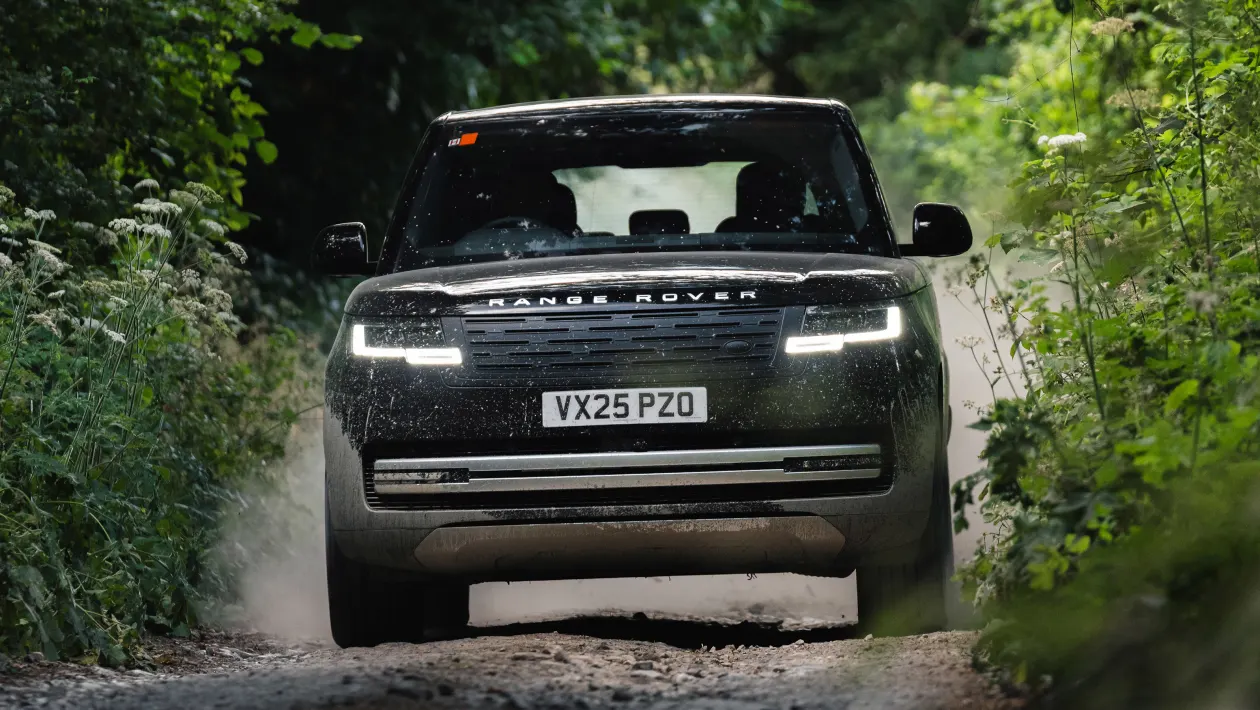
This could well be a case of it always being darkest before the dawn, however, because JLR has just begun its own electric car blitz, beginning with the new Range Rover Electric. This will be followed by the smaller Range Rover Sport Electric, swoopy Range Rover GT and, of course, the Jaguar Type 01 which will finally be fully unveiled later this year.
Get the latest car news in your inbox, for FREE! Sign up to the Auto Express email newsletter…
