

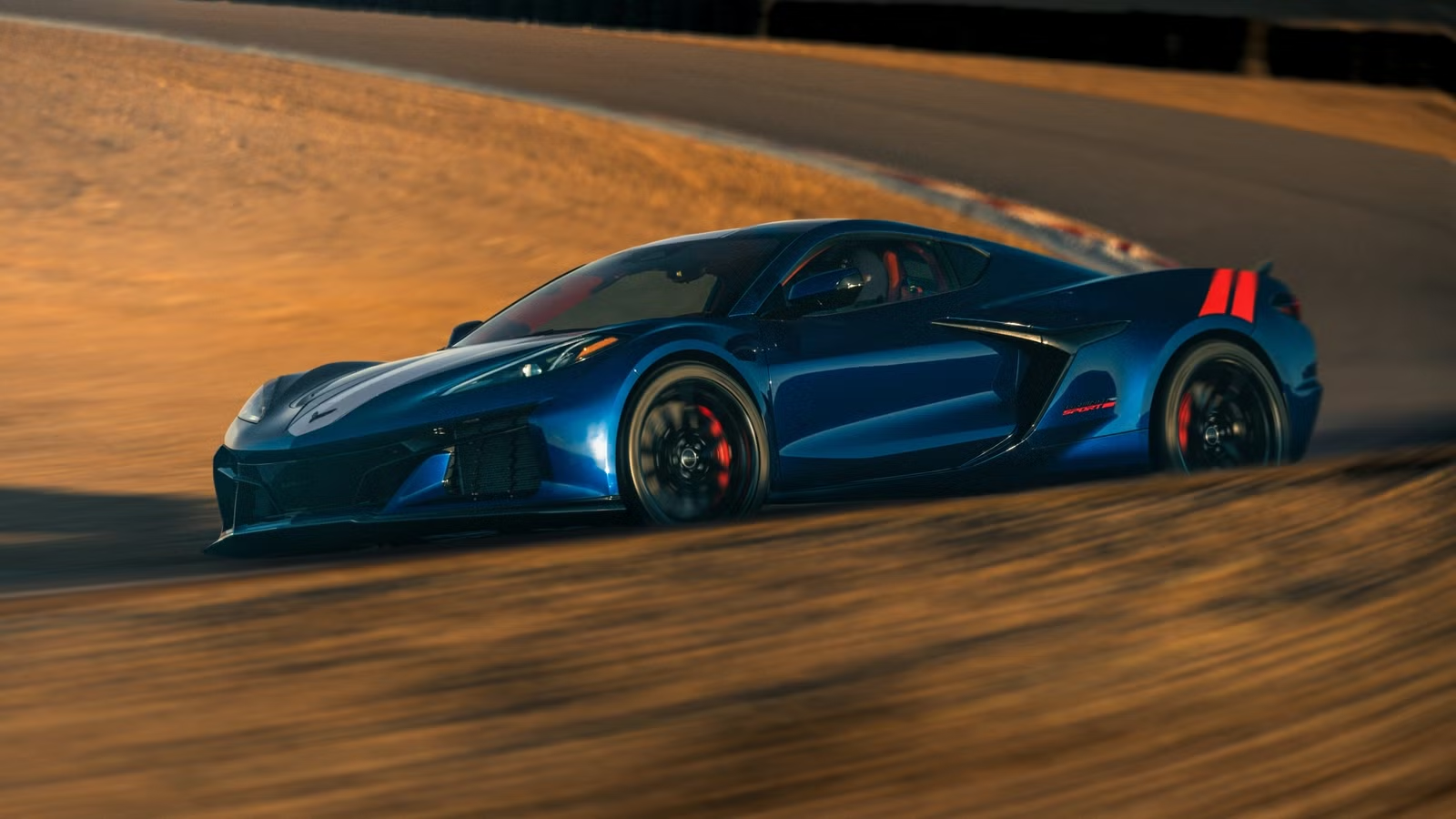
For the 2027 model year, Chevrolet is giving Corvette buyers something genuinely unusual in the modern sports-car market: a real choice between three distinct V8 engines, each with a different architecture, displacement, and driving personality. This isn’t a simple power-tier structure where you pay more and get the same experience just turned up louder. The LS6, LT6, and LT7 are fundamentally different mills that produce fundamentally different cars.
The specs were confirmed this week ahead of the 2027 Corvette’s market arrival, and they make a compelling case that Chevrolet has thought carefully about what different buyers actually want from a mid-engine sports car. Whether that’s a broad-shouldered small-block, a flat-plane screamer, or a twin-turbocharged hybrid monster, there’s now a Corvette engineered specifically around that answer.
The LS6: A 6.7-Liter Small-Block Built For Street Character
Detail image of 2027 Chevrolet Corvette Grand Sport’s LS6 6.7-liter V-8 engineChevrolet
The entry point is the LS6, a 6.7-liter small-block V8 producing 535 horsepower and 520 pound-feet of torque. It powers the 2027 Corvette Stingray and the Grand Sport, and it represents a very specific philosophy: displacement over revs, torque over peak power, accessibility over intensity.
That 520 lb-ft figure is the key number here. A broad, low-rpm torque curve means the LS6 rewards casual throttle inputs as much as committed ones. It pulls hard from a stop, stays flexible in traffic, and doesn’t demand that the driver work for every ounce of performance. For buyers who want a genuine sports car that doubles as an everyday driver, this engine makes the Corvette feel effortless rather than demanding. The Grand Sport X takes the LS6 further still, pairing it with an electric motor for 721 combined horsepower and 665 lb-ft of torque, adding hybrid muscle without changing the engine’s fundamental character.
The LT6 Gemini: 5.5 Liters, 670 Horsepower, And A Flat-Plane Soul
View of 2024 Chevrolet Corvette Z06 LT6 engine.Chevrolet
The Z06’s LT6 is where the Corvette lineup takes a sharp turn in character. At 5.5 liters, it makes less displacement than the LS6 but produces 670 horsepower and 460 lb-ft of torque, a combination that tells you exactly what kind of engine this is. Less torque, more power, and a flat-plane crankshaft that lets it rev in a way a traditional cross-plane V8 simply cannot.
This is the engine for drivers who want to work the gearbox, who find the rev range to be part of the experience rather than a means to an end. The LT6’s character is sharper, more demanding, and more rewarding when driven at the limit. It’s the Corvette for track days and canyon roads, not commutes. C8 Z06 owners already know what this engine sounds and feels like; the 2027 version refines that formula rather than replacing it.
The LT7 Gemini: Twin-Turbocharged, 1,064 Horsepower, And A Different Kind Of Extreme
Chevrolet Corvette ZR1’s LT7 Small Block 5.5L twin-turbocharged V8General Motors
The ZR1’s LT7 shares the LT6’s 5.5-liter flat-plane architecture but adds twin turbochargers to produce 1,064 horsepower and 828 lb-ft of torque. The ZR1X hybrid variant pushes those figures to 1,250 combined horsepower and 973 lb-ft. These are numbers that put the Corvette in supercar territory by any measure.
What the LT7 delivers is a different kind of performance entirely. The turbochargers add torque density that the naturally aspirated LT6 doesn’t have, meaning the ZR1 hits hard across a wider range of the rev band. It’s less about the linear build of a naturally aspirated engine and more about sustained, relentless thrust. This is the Corvette for buyers who want the absolute performance ceiling, and who are willing to accept a car that demands more respect in return.
What This Three-Engine Strategy Means for the Corvette Lineup
Rear angle shot of an orange 2027 z07 Corvette parked outside on the road.chevrolet.com
Prior Corvette generations typically offered one or two engine options within a given model year, with the Z06 and ZR1 serving as power escalations on a single architectural theme. The 2027 lineup is structured differently. The LS6, LT6, and LT7 aren’t just power tiers; they’re genuinely distinct powertrains with different displacements, different crank configurations, and different intended use cases.
That breadth is significant. It means a buyer choosing between a Grand Sport and a Z06 isn’t just deciding how much power they want; they’re choosing between a torque-forward small-block and a high-revving, flat-plane engine. Those are different driving experiences, and Chevrolet has engineered the rest of each car around that distinction. For Corvette enthusiasts who’ve followed the C8 generation closely, the 2027 lineup represents the most differentiated version of the platform yet and a clear signal that Chevy intends to hold the Corvette’s position across multiple segments of the performance market simultaneously.
TopSpeed’s Take
2027 Chevrolet Corvette Grand Sport X in Pitch Gray Metallic showcases an aggressive stance.Chevrolet
Chevrolet is proving it knows how to curate a tasty menu, creating three completely different cars that somehow all wear the same Corvette badge without any of them feeling compromised. It even includes hybrid power and all-wheel drive, which are still relatively new offerings for this iconic sports car. That’s a harder thing to pull off than it sounds, and the fact that Chevy has done it while pushing one variant past 1,000 horsepower and keeping another as a genuine daily driver says a lot about where this platform is headed.
Source: GM
