

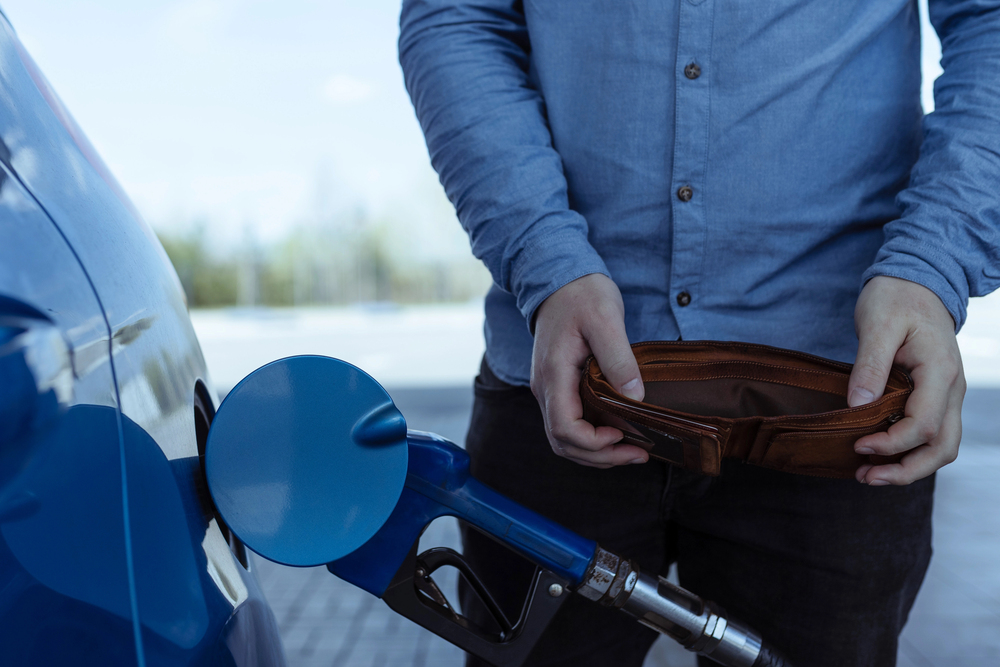
High fuel costs are prompting many Canadians to rethink summer travel plans, with two‑thirds of drivers saying gas prices will cause them to cancel or limit road trips this year, according to a new survey.
The Tire and Rubber Association of Canada found that that 66 per cent of Canadian drivers expect high gas prices to curb their travel, even though most still plan to take at least one day trip or overnight journey. More than four in five respondents said they will travel in some form this summer, while 70 per cent said elevated fuel prices now feel like the “new normal.”
Cross‑border travel is taking a hit. More than two‑thirds of Canadians surveyed said they are not planning a road trip to the United States in 2026. More than half said they cancelled U.S. road trips last year, and only one in 10 expect to head south by car this summer, suggesting more Canadians will keep travel closer to home.
Tire care education gaps
The survey also highlighted a persistent gap between drivers’ understanding of tire care and their actual maintenance habits. Most respondents recognized that proper tire inflation improves fuel efficiency, extends tire life, enhances safety and reduces emissions. Nearly all drivers agreed that proper tire inflation is essential to vehicle safety, and more than four in five said tire care is more important than ever given fuel costs.
Despite that awareness, follow‑through remains inconsistent. While 62 per cent of drivers said their vehicle provides real‑time tire pressure information, only 35 per cent check tire pressure regularly.
Among drivers without a digital tire pressure display, just 16 per cent said they check inflation monthly, as recommended by tire manufacturers. Two‑thirds were unaware that tire pressure should be measured when tires are cold, and nearly one‑third incorrectly relied on the pressure listed on the tire sidewall rather than the vehicle manufacturer’s recommended setting.
“With gas prices continuing to impact travel plans, many Canadians are looking for practical ways to save at the pump,” said Carol Hochu, president and chief executive officer of the Tire and Rubber Association of Canada. “Proper tire inflation is one of the simplest ways to improve fuel economy and vehicle safety.”
Vehicles equipped with tire pressure monitoring systems give drivers a better opportunity to maintain proper inflation, Hochu said, while those without the technology tend to be less consistent, leading to reduced fuel economy, shorter tire life and higher operating costs.
TRAC pointed to the potential economic and environmental impact of better tire maintenance. It cited Statistics Canada data that show Canadians purchased 43.8 billion litres of gasoline in 2024. Improving fuel efficiency by an average of 0.6 per cent through proper tire inflation could save about 262.8 million litres of fuel annually, representing roughly $444 million in savings and preventing more than 600,000 metric tonnes of carbon dioxide emissions.
In addition to inflation, TRAC noted that fuel‑efficient tires designed with advanced materials and tread patterns can improve fuel economy by two to four per cent over the life of the tire, potentially saving drivers hundreds of dollars.
The association said simple steps such as checking tire pressure when tires are cold, following manufacturer‑recommended inflation levels, maintaining steady speeds and reducing idling can help Canadians manage fuel costs as they adjust summer plans in an era of persistently high prices.
Image credit: Depositphotos.com
