

It was just a matter of time before lawsuits started piling up from consumers claiming they deserve money back because they paid a higher price for cars that were impacted by Trump administration tariffs imposed last year on imports. When the US Supreme Court in February struck down some of those tariffs, the federal government had to refund duties that were illegally collected.
2021 Ford bronco SportFord
If multinational automaking conglomerates are getting refunds after they increased vehicle prices to offset tariffs, then consumers who paid those higher prices deserve cash back, too, the argument goes. The legal challenge, however, is to quantify how much an automaker paid for a tariff on a specific vehicle and how much more a customer paid for that car due to tariffs. Without that clear connection, it seems the courts would be less inclined to hear the case. But Ford may be about to find out.
Should Ford Pocket $1.3 Billion Tariff Refund?
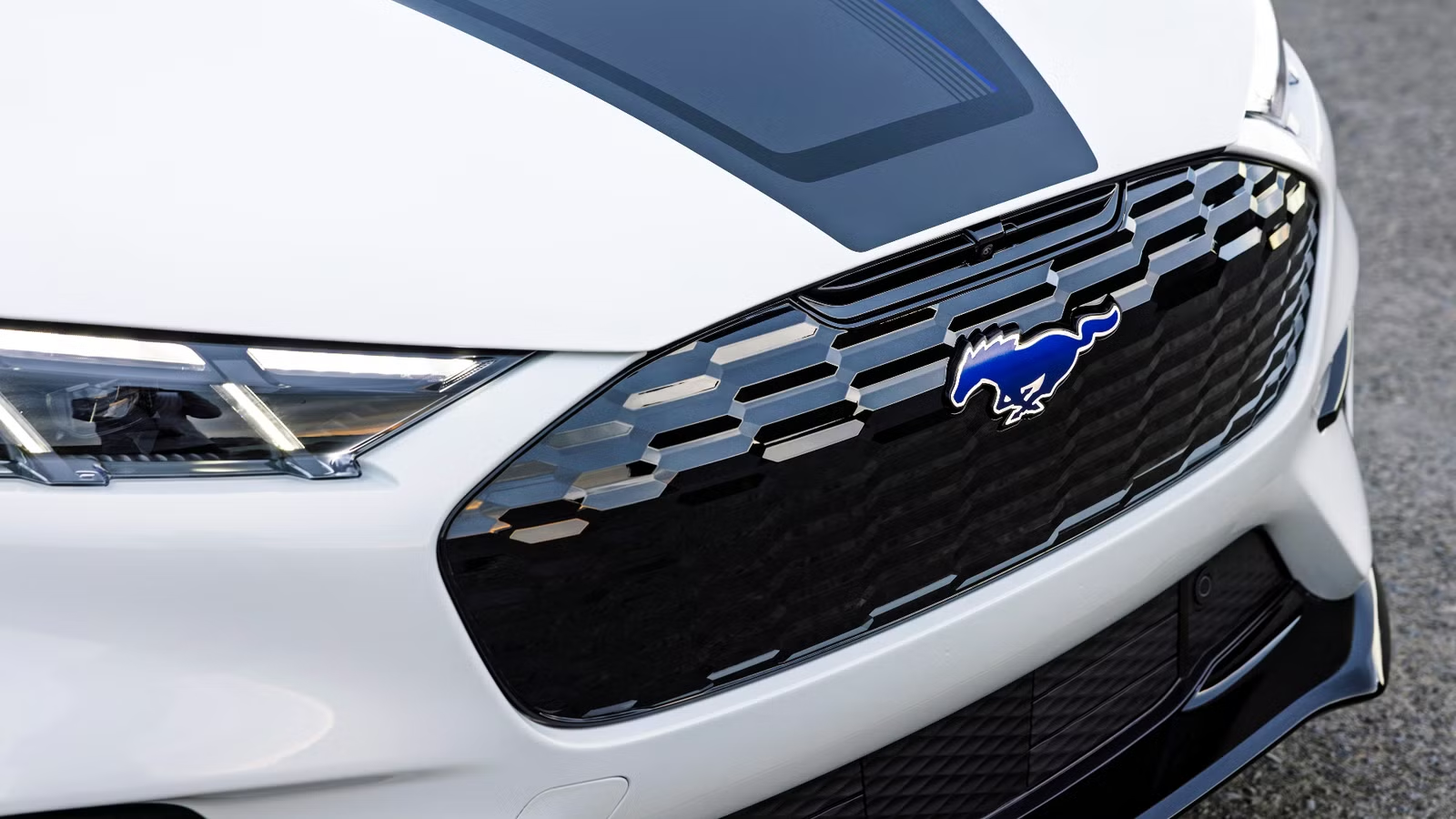
A new lawsuit has surfaced in US District Court in Michigan from a California man who bought a Ford Mustang Mach-E in February, about the time the Supreme Court ruled against Trump tariffs imposed under the 1977 International Emergency Economic Powers Act.
What makes this case compelling is the information trail over the past 16 months. Ford said tariffs cost the automaker $2 billion in 2025 and has reported another $1 billion in net tariff costs for full year 2026.
Ford CEO Jim Farley. DearbornFord
The automaker has also said it is projected to receive $1.3 billion in federal tariff refunds. Several automakers have reported similar information about tariffs and refunds, but something unique about Ford is that it was one of the few automakers specifying how tariffs were impacting vehicle prices.
A Reuters story in May 2025 cited a notice sent to Ford dealers saying prices would increase by as much as $2,000 on the Mach-E, Maverick pickup, and Bronco Sport, all built in Mexico.
2024 Ford Maverick Loading in FurnitureFord
Refund To Ford Is ‘Unjust Windfall’
It’s harder to find similar statements from other automakers over the past 16 months – perhaps because their legal departments saw the potential hazards of attaching specific costs to tariffs. Many automakers also increased destination and handling charges (modestly in most cases) on imported vehicles to offset tariff costs, and perhaps we’ll see more legal challenges related to destination charges in the future.
The latest case, filed by San Diego resident Jason Bullock, claims he “paid a price that reflected Ford’s tariff-driven price increase” when he bought the Mach-E earlier this year, The Detroit News reports.
“If Ford retains the (tariff refunds) while also retaining the tariff-related price increases paid by consumers, Ford will receive a double recovery and unjust windfall,” the lawsuit says. The automaker has said it is reviewing the complaint.
CarBuzz Insight – Why This Matters:
We’ve only seen the tip of the iceberg in terms of lawsuits related to tariffs on imported vehicles. Duties imposed by the Trump administration under the 1977 International Emergency Economic Powers Act are no longer in place, but Section 232 tariffs employed by Trump under the Trade Expansion Act of 1962 remain costly and burdensome, applied to imported cars, auto parts, steel, and aluminum.
2026 Ford Maverick driving front 3/4 angle in whiteFord
What happens in two years if the Democrats return to the White House and remove those tariffs? Will a flood of similar lawsuits follow from enraged consumers who want their money back, with interest? One option, which might even work now for the latest case, is for Ford to give credits to customers with legitimate claims, to purchase or lease their next vehicle.
Source: The Detroit News
