

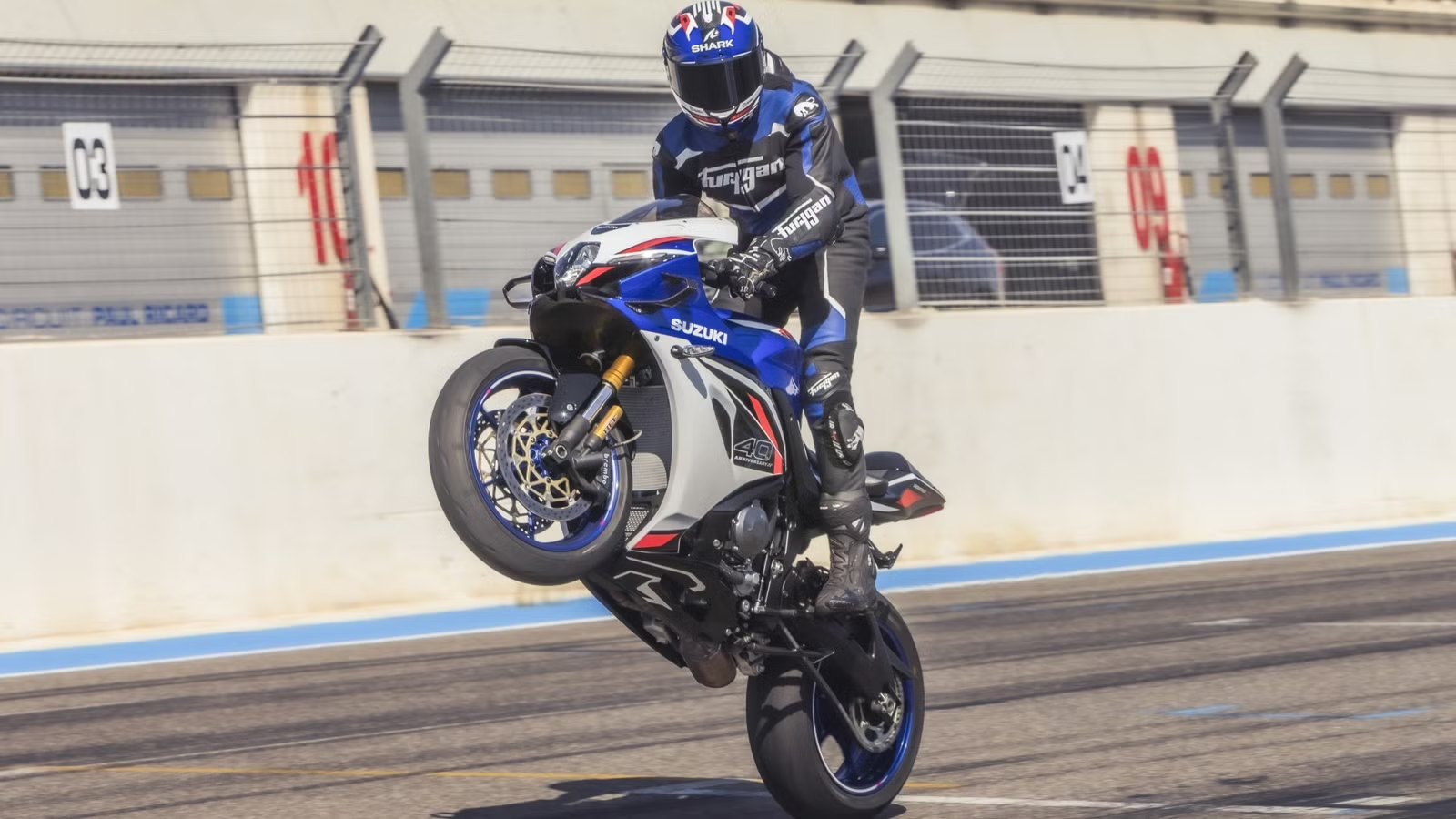
Forty years after the original GSX-R750 rewrote the rulebook for production sportbikes, Suzuki is marking the milestone with something more than a badge. For 2027, the brand has restructured its flagship literbike into three distinct variants—the GSX-R1000, the GSX-R1000R, and the GSX-R1000RS—giving buyers a tiered choice rather than a single one-size-fits-all superbike.
Suzuki USA announced the lineup on July 8, 2026. All three models share the same engine and electronic architecture, but each steps up in chassis components, braking hardware, and aerodynamic accessories. It’s a clear attempt to let the GSX-R serve multiple riders at once: the street loyalist, the track-day regular, and the collector who wants the full anniversary package.
One Engine, Three Different Bikes
Suzuki Cycles
The shared foundation across all three variants is the same powerplant and electronics suite—meaning the core GSX-R1000 experience, the one that’s defined Suzuki’s superbike identity for four decades, is present at every price point. What changes as you move up the range is how that power is managed, supported, and delivered to the road.
The base GSX-R1000 is the entry point into the 2027 lineup. It carries the engine and electronics package without the additional chassis and braking upgrades found higher up the range—making it the most accessible variant for riders who want the GSX-R name and performance without the premium hardware cost.
Suzuki Cycles
The GSX-R1000R steps up with upgraded chassis components and braking hardware, positioning it as the choice for riders who spend time on track days or want a more capable platform for spirited road riding. The R has historically been Suzuki’s spec sheet leader in the GSX-R family, and the 2027 version continues that tradition by differentiating itself through hardware rather than engine output.
At the top of the range, the GSX-R1000RS adds aerodynamic accessories to the R’s mechanical package. For the 40th-anniversary year, the RS represents the complete expression of what Suzuki wants the GSX-R to be — the variant for the rider who wants everything the platform offers, including the aero components that have become increasingly relevant as superbike development has converged with MotoGP-influenced design.
Related
Here’s Why This Touring Motorcycle Is The Most Balanced Choice In 2025
Few motorcycles on the market are able to balance performance, features and comfort like the GSX-1000GT+
Why Three Tiers For The Anniversary Year
Suzuki Cycles
Splitting a flagship into multiple variants isn’t a new strategy in the literbike segment, but the timing here carries weight. The GSX-R series turns 40 in 2027, and Suzuki’s decision to offer the anniversary lineup in three distinct configurations suggests the brand is trying to reach different parts of its own fanbase simultaneously.
For the GSX-R loyalist who has followed the line since the 1980s, the RS likely represents the anniversary collector’s choice. For the newer rider or the budget-conscious enthusiast, the base GSX-R1000 keeps the nameplate accessible. The R sits in the middle—arguably the sweet spot for most serious street and track-day riders who want meaningful hardware without the full RS premium.
Full pricing and complete specification details for all three variants had not been published at the time of this report. Suzuki USA’s announcement confirmed the three-tier structure and the shared engine/electronics platform; additional spec and pricing information is expected to follow.
The GSX-R1000 has earned its place in superbike history through four decades of development, and the 2027 lineup suggests Suzuki intends to keep it relevant by giving riders more ways to buy into the platform. Whether the RS justifies its premium over the R will depend on the full spec sheet — but the structure itself is a smart one for a 40th-anniversary moment.
